The Magic of Yeast and Gluten
Making bread at home is one of the coolest and most satisfying things you can bake! It all depends on two main things: yeast and gluten. Think of yeast as tiny helpers that puff up your bread, and gluten as a sticky web (a protein in flour) that holds those air bubbles in. When you knead the dough, you are stretching that web. The yeast makes gas (like tiny bubbles of air), and the gluten web traps them. This makes the dough get bigger, which is called proofing. This rising time can be short or long, depending on the recipe and how warm the room is. Getting your bread to rise perfectly takes a little bit of waiting and knowing how the temperature affects the yeast. Once you learn how to make an easy white bread, you can try harder ones like sourdough or richer breads like brioche. The best part is the fresh taste and soft texture of a loaf baked right in your own kitchen!
To bake great bread, you need to know about the different flours you can use. Bread flour has lots of protein, which means it makes a strong gluten web. This makes the finished bread chewy and full of air, perfect for big loaves or French bread. Whole wheat flour, on the other hand, makes bread that is more solid and heavy because it doesn't create as much gluten. Also, don't forget about quick breads (like muffins or banana bread)! These are much faster because they don't use yeast. Instead, they use ingredients like baking powder or baking soda to make them rise quickly, so you don't have to knead them or wait for them to proof. Even these fast breads need gentle mixing, because if you mix them too much, they can become tough. In the end, bread baking is a fun experience for all your senses, the way the dough feels, the smell of it baking, and the wonderful sound when the crust cools down and cracks!
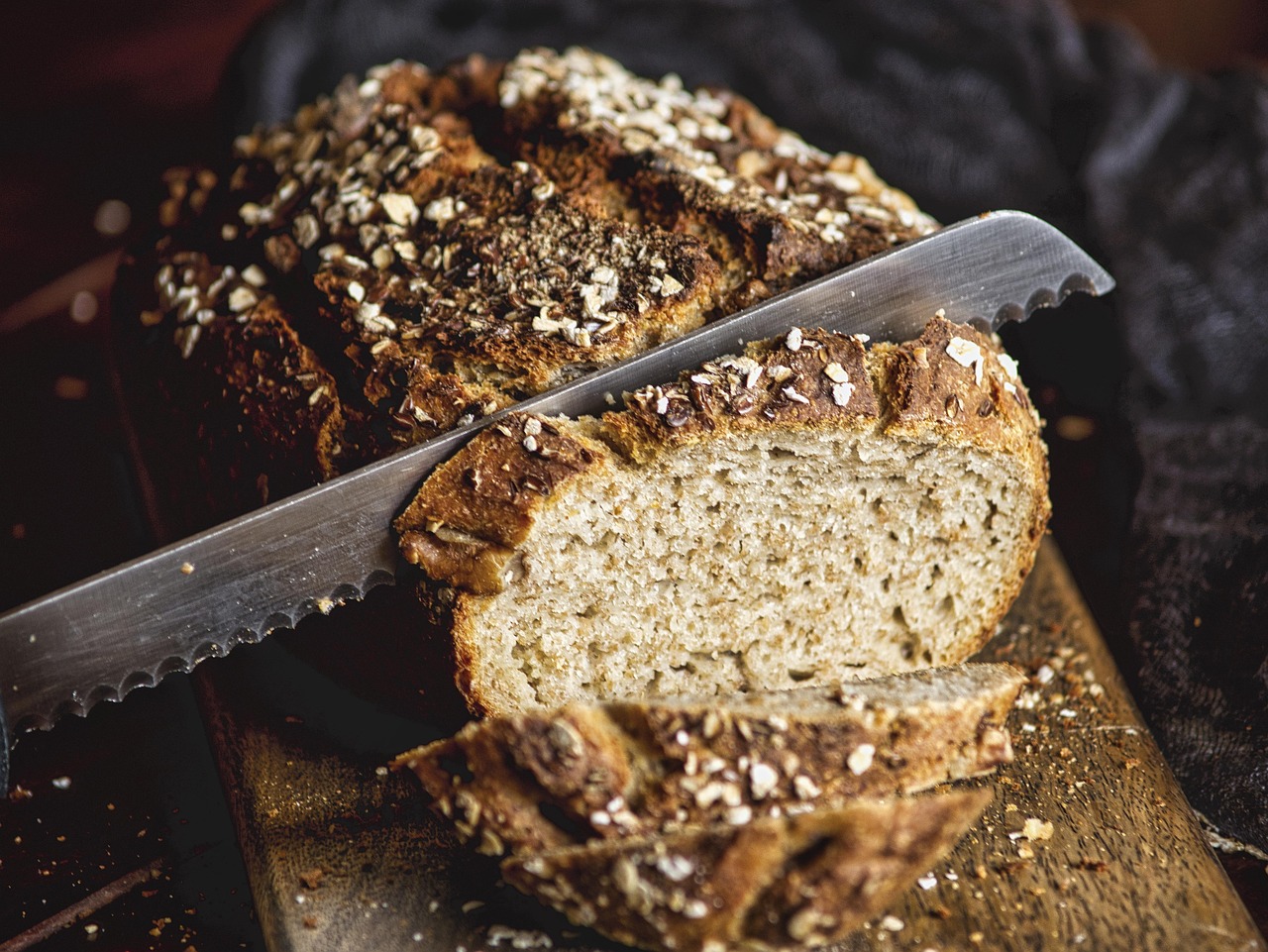
Common Bread Flours
| Flour Type | Protein Content (Approx.) | Ideal Use Case |
|---|---|---|
| All-Purpose Flour | 10 - 12% | General baking, soft rolls, quick breads |
| Bread Flour | 12 - 14% | Artisan loaves, chewy bread, bagels |
| Whole Wheat Flour | 13 - 14% | Nutty, dense loaves (often mixed with AP flour) |
For resources and tutorials on kneading, check out these sources:
King Arthur Baking: How to Knead Dough
Sally's Baking Addiction: Kneading Tips
Handle the Heat: The Science of Kneading