Home Baking: The Sweet Science of Edible Creations

Welcome! This site explores the fundamentals of baking. Fresh bakes are best served today, Loading Date...

Welcome to the wonderful world of home baking! Baking is more than just cooking, it's a fun mix of science and art. We need to be exact with our measurements (that's the science part), but the final result is always beautiful and yummy (that's the art part!). This website is here to make baking easy and exciting for everyone, whether you're just starting out or you've been baking for years. We're going to look at everything, from the simple steps of making bread to the special tricks for creating fancy pastries. We want to show you that anyone can take basic stuff like flour and eggs and turn them into amazing treats. The feeling you get when you mix the dough, watch it grow in the oven, and finally taste what you made brings so much happiness to your home. No matter if you want to bake a simple loaf of bread or a huge layer cake, the baking world is huge and full of things to learn! This page is your starting point to explore all the delicious pages we have coming up.
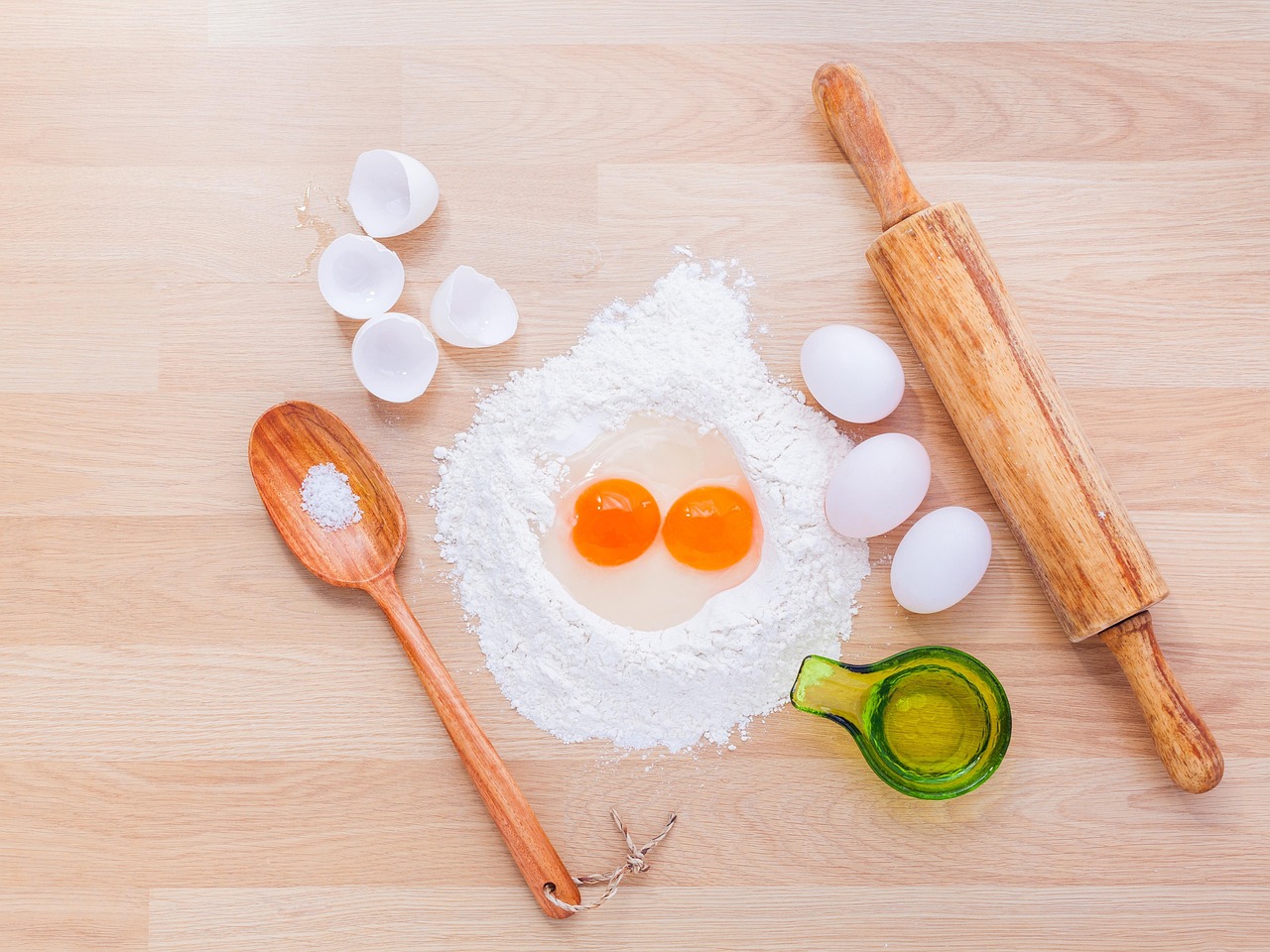
Hands rolling out dough with ingredients nearby.
Rolling Dough

There's nothing quite like the feeling of satisfaction you get when you bake something yourself! You are the boss of the ingredients, so you know exactly what's going into your food. Unlike the stuff you buy at the store, homemade treats don't have extra chemicals or fake flavors, so they are fresher and better for you. Plus, let's talk about the smell! The sweet smell of vanilla or the comforting smell of fresh bread filling your home is one of the best parts of baking. Don't worry if your first few tries aren't perfect; everyone who bakes messes up sometimes! The fun part of baking is trying new things and getting better each time you practice. Use the rest of this website, the pages on Breads, Cakes, and Pastries as tools to learn more and try new recipes. Baking isn't just about making food; it's about making happy memories and delicious things to share with the people you care about.

Breads: The Foundation of Baking
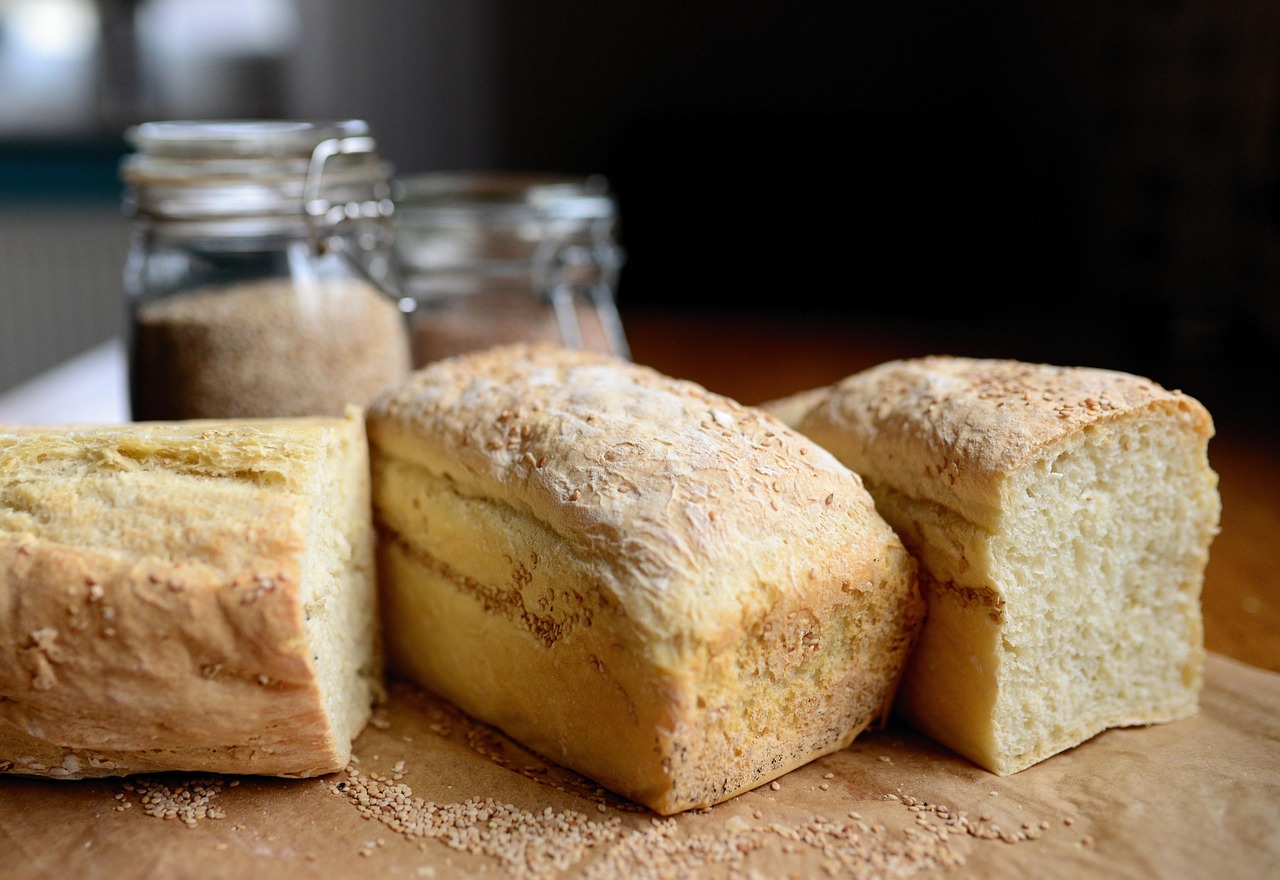
Three fresh loaves of lightly golden, yeast bread dusted with sesame seeds, resting on parchment paper with grain jars blurred in the background.
White Loaves

Making bread at home is one of the coolest and most satisfying things you can bake! It all depends on two main things: yeast and gluten. Think of yeast as tiny helpers that puff up your bread, and gluten as a sticky web (a protein in flour) that holds those air bubbles in. When you knead the dough, you are stretching that web. The yeast makes gas (like tiny bubbles of air), and the gluten web traps them. This makes the dough get bigger, which is called proofing. This rising time can be short or long, depending on the recipe and how warm the room is. Getting your bread to rise perfectly takes a little bit of waiting and knowing how the temperature affects the yeast. Once you learn how to make an easy white bread, you can try harder ones like sourdough or richer breads like brioche. The best part is the fresh taste and soft texture of a loaf baked right in your own kitchen!

To bake great bread, you need to know about the different flours you can use. Bread flour has lots of protein, which means it makes a strong gluten web. This makes the finished bread chewy and full of air, perfect for big loaves or French bread. Whole wheat flour, on the other hand, makes bread that is more solid and heavy because it doesn't create as much gluten. Also, don't forget about quick breads (like muffins or banana bread)! These are much faster because they don't use yeast. Instead, they use ingredients like baking powder or baking soda to make them rise quickly, so you don't have to knead them or wait for them to proof. Even these fast breads need gentle mixing, because if you mix them too much, they can become tough. In the end, bread baking is a fun experience for all your senses, the way the dough feels, the smell of it baking, and the wonderful sound when the crust cools down and cracks!

Common Bread Flours

Flour TypeProtein Content (Approx.)Ideal Use Case
All-Purpose Flour10 - 12%General baking, soft rolls, quick breads
Bread Flour12 - 14%Artisan loaves, chewy bread, bagels
Whole Wheat Flour13 - 14%Nutty, dense loaves (often mixed with AP flour)

Cakes: Layers of Sweet Celebration

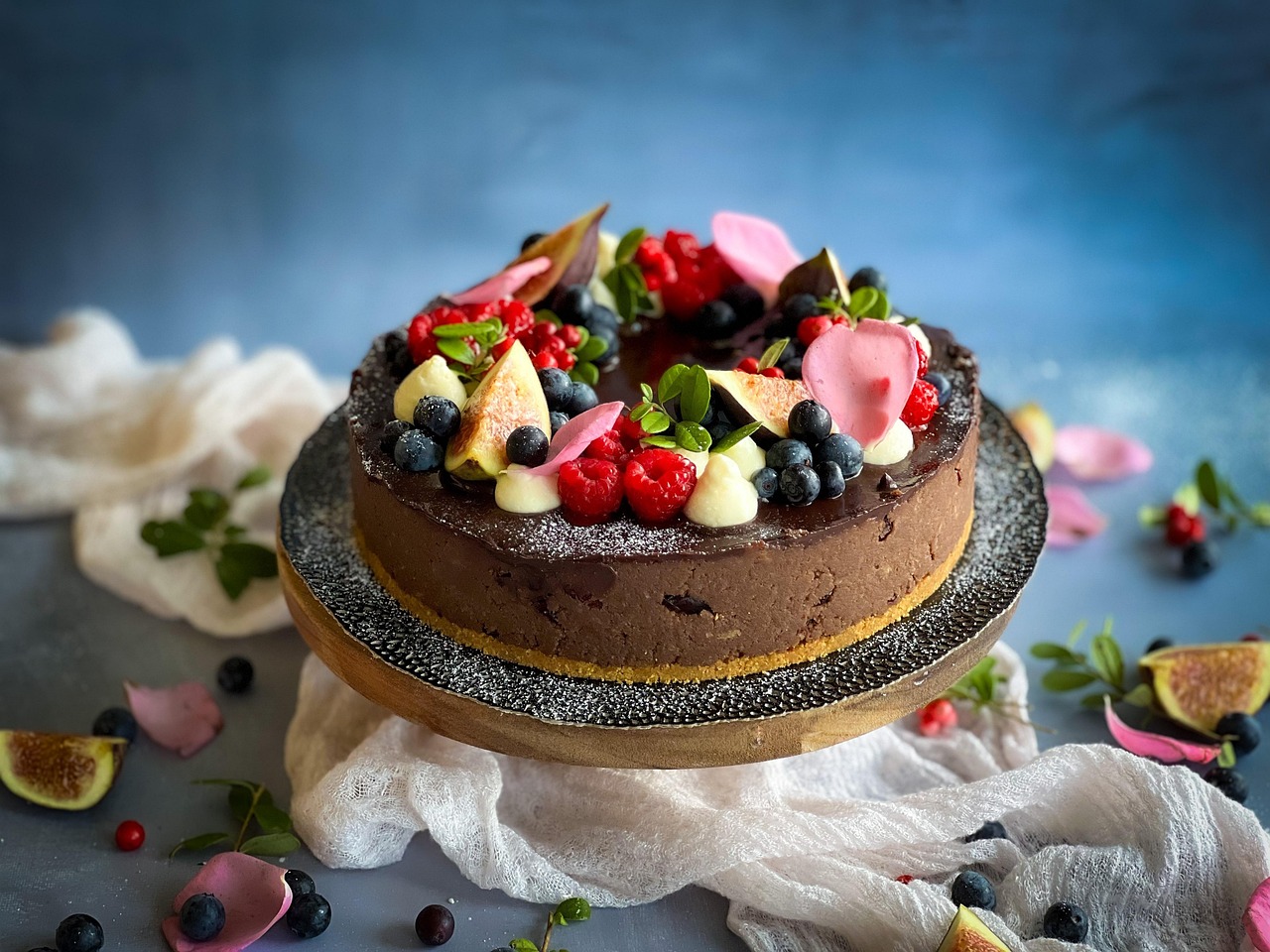
A chocolate cake with smooth frosting, topped with fresh raspberries, blueberries, and blackberries.
A Rich Chocolate Cake with Fresh Berries

Cakes are the absolute best for parties, birthdays, and any big event! We can split cakes into two main types: butter cakes and foam cakes. Butter cakes are rich and moist (think pound cake or a regular birthday cake) and they use butter and baking powder to help them rise. Foam cakes (like angel food cake) are super light and fluffy because they get all their air from whipping up egg whites until they are foamy. To make a great cake, you have to mix it just right. If you mix a butter cake too much, it gets tough. If you don't mix a foam cake enough, it will go flat. Also, keep a close eye on your oven heat! If it's too hot, the cake will rise too fast and crack; if it's too cold, it might collapse in the middle. Learning these basic rules is the first step to making your own incredible, stacked cakes!

The Sounds of the Kitchen

Listen to the satisfying mechanical whir of the electric mixer—a sound that signals the beginning of any great cake batter.

Once the cake is baked, the real fun begins with frosting and decorating! This is where you can be totally creative. There are many kinds of frosting, like buttercream, cream cheese frosting, or smooth chocolate ganache, and each one tastes and feels different. You can learn simple techniques, like using a piping bag and different tips, to make plain cakes look elegant and fancy. You should also think about what flavors go together, like how lemon or orange goes really well with chocolate, or how a spice like cinnamon makes fruit cake taste better. Don't forget the important steps before you even start mixing: always pick the right size pan and make sure you grease and flour it so the cake slides out easily without breaking. When you mix careful baking rules with your own fun decorating ideas, you end up with a cake that is not just yummy but also a beautiful work of art for any party!

Pastries: The Art of Laminated Dough

Pastry making is all about creating amazing textures, and the secret weapon is lamination. Lamination is the complex process of folding fat (usually cold butter) into dough multiple times to create hundreds of thin, alternating layers. The best example of this is a croissant. To make a croissant, you start with simple yeast dough, wrap it around a block of butter, and then roll and fold it (a "turn") typically three times. When this pastry is baked, the water in the butter turns to steam. This steam forces the thin layers of dough apart, creating that famous light, airy, and flaky interior structure that we all love. Because of the precision needed, working with laminated dough requires patience and, most importantly, keeping everything very cold. If the butter melts, the layers merge together, and you end up with heavy, bready pastry instead of light, flaky perfection. This is why many professional bakers refer to laminated dough as a true test of skill.

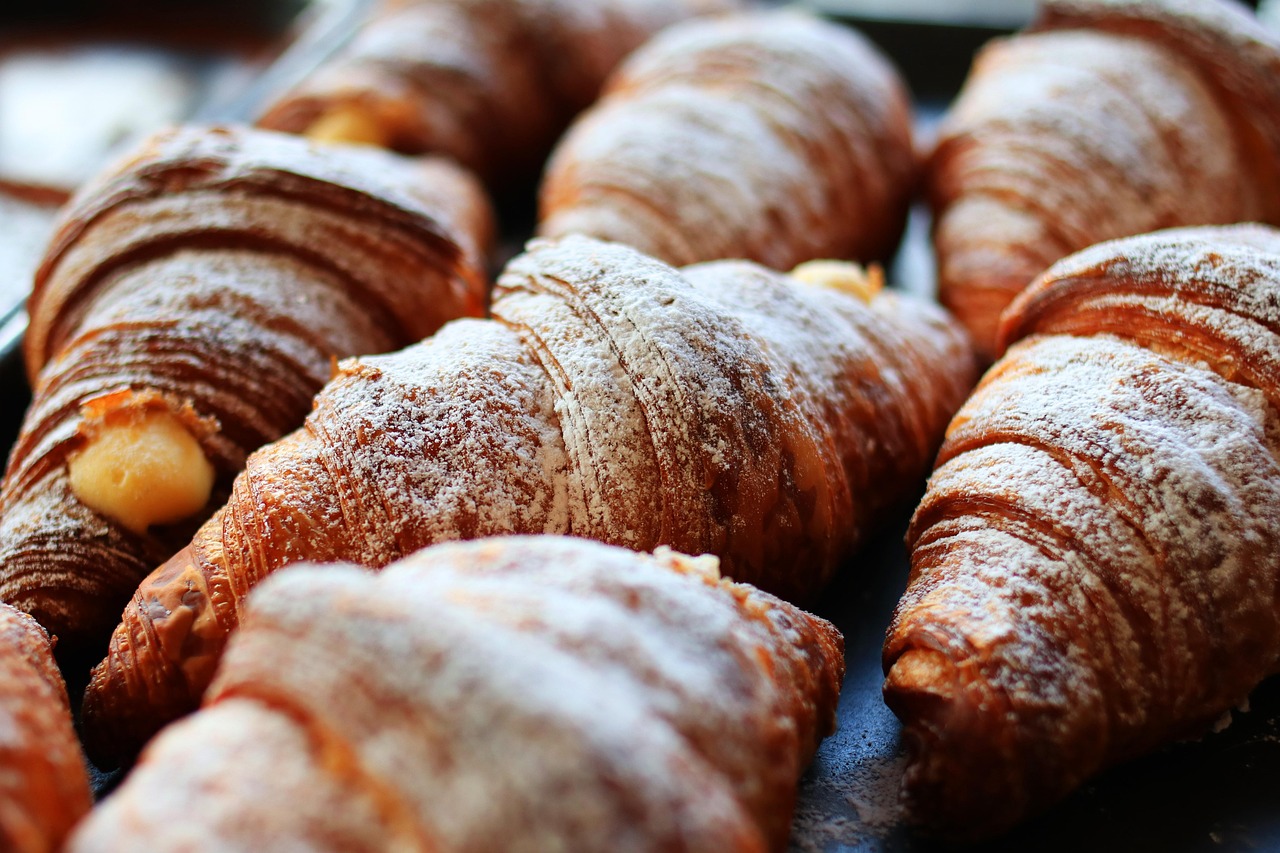
A selection of freshly baked croissants and pastries on a cooling rack.
Flaky Croissants

Video: Mastering the Lamination Fold

Watch this quick tutorial to see how bakers create the crucial folds and turns for laminated dough to achieve the perfect flakiness.

Beyond laminated dough, another classic pastry is choux pastry. Unlike croissants or puff pastry, choux is a cooked dough-you start by heating water, butter, and flour on the stovetop until it forms a ball. Eggs are then vigorously beaten into the mixture, which is what makes it unique. When piped and baked, the moisture in the dough rapidly turns to steam, causing the dough to puff up dramatically and leave a large, hollow center. This hollow center is what makes choux perfect for filling with cream to make éclairs or profiteroles. While puff pastry and croissants get their lift from physical layers of butter, choux gets its lift from the steam trapped inside the cooked batter. Understanding the difference between these pastry types is key to mastering the baking process. Pastries are delicate, requiring attention to detail, but the reward-a perfect, shatteringly crisp bite-is worth every moment spent in the kitchen.

Key Pastry Dough Types

Dough TypeDefining CharacteristicExamples
Puff PastryHigh fat content, rolled and folded many times (no yeast).Palmiers, Tarts, Turnovers
Croissant DoughLaminated dough that includes yeast for a slightly bready texture.Croissants, Pain au chocolat
Choux PastryCooked dough (on stovetop) that puffs up from steam (no leavener).Eclairs, Cream Puffs (Profiteroles)
Shortcrust PastryCrumbly, firm dough made by cutting fat into flour.Pies, Quiche, Tarts

Get in Touch with the Home Baker

We encourage you to reach out with any questions or baking successes! Your feedback helps us improve our guides and support every home baker. Whether you're struggling with yeast or just want to share your results, please use the form below. Mastery begins with a question!

Your privacy is important to us. Any information you submit will be used solely to respond to your inquiry and will never be shared with third parties. Please be detailed so we can provide the most helpful response possible.